
Why the LiTime 12V 100Ah Battery Is on the Homestead
Not every project on the homestead needs a full 48V system. For smaller 12V applications – my RV, trolling motor, and backup lighting circuits – I needed a reliable lithium battery that would not break the bank. The LiTime 12V 100Ah LiFePO4 Battery has been my go-to solution. It is compact, lightweight at only 24 lbs, and delivers consistent power for all my 12V needs. After running lead-acid batteries for years, the difference in usable capacity and cycle life is night and day.
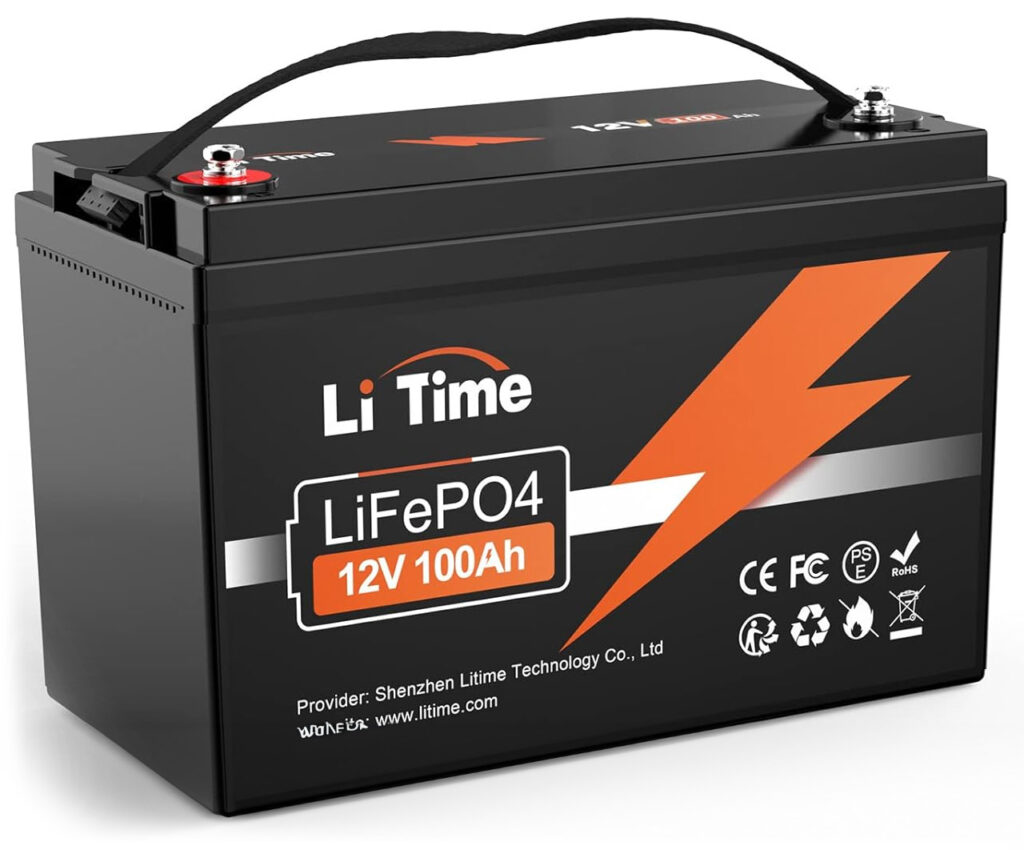
What Is the LiTime 12V 100Ah LiFePO4 Battery?
The LiTime 12V 100Ah is a lithium iron phosphate (LiFePO4) battery designed as a direct replacement for Group 31 lead-acid batteries. With 1280Wh of energy storage and a 100A Battery Management System (BMS), it handles everything from RV house banks to trolling motors and small off-grid systems. The built-in BMS protects against overcharge, over-discharge, overcurrent, and short circuits. At 4000+ cycles at 100% depth of discharge (or up to 15,000 cycles at 60% DOD), this battery will outlast any lead-acid alternative by years.
- Voltage: 12.8V nominal
- Capacity: 100Ah
- Energy Storage: 1280Wh
- Max Continuous Output: 1280W (100A)
- Peak Discharge Current: 400A for 1 second
- Cycle Life: 4000+ cycles at 100% DOD, 15,000 at 60% DOD
- Warranty: 5 years
Key Features and How I Use It
I use the LiTime 12V 100Ah battery in several applications around the homestead. In my RV, it powers the house systems – lights, water pump, fans, and USB outlets – without worrying about draining the battery below 50% like I did with lead-acid. With LiFePO4, I can safely use the full 100Ah capacity. The flat discharge curve means my 12V devices run at consistent voltage from full charge down to 20% state of charge.
For my trolling motor, the weight savings alone made this battery worth it. At 24 lbs, it is less than half the weight of a comparable lead-acid battery, making it easy to carry in and out of the boat. The 400A peak discharge handles the surge when I hit the throttle, and I get hours more runtime on a single charge compared to my old AGM batteries.
Specifications
- Nominal Voltage: 12.8V
- Rated Capacity: 100Ah
- Energy: 1280Wh
- BMS Rating: 100A continuous
- Max Continuous Charge Current: 100A
- Max Continuous Discharge Current: 100A
- Peak Discharge Current: 400A for 1 second
- Max Expansion: 4P4S (up to 4 batteries in parallel and 4 in series for 51.2V systems)
- Internal Resistance: 40 milliohms
- Dimensions: 13 x 6.77 x 8.43 inches (Group 31 size)
- Weight: 24.25 lbs (11 kg)
- Usable Capacity: 95% (1216Wh)
- Charging Temperature: 32 F to 113 F (0 C to 45 C)
- Discharging Temperature: -4 F to 140 F (-20 C to 60 C)
- Certifications: FCC, CE, RoHS, UN38.3
Pros and Cons
- Pros:
- Lightweight and portable at only 24 lbs
- 4000+ cycle life means 10+ years of use
- Full 100Ah capacity usable (no 50% limit like lead-acid)
- Built-in BMS protects against common failure modes
- Can be wired in series and parallel for larger systems
- Excellent value for the price point
- Cons:
- No built-in heating for cold-weather charging (must charge above 32 F)
- 100A BMS limits continuous output to 1280W (not suitable for high-draw inverters)
- No Bluetooth monitoring on this model (upgrade to Bluetooth version if you want app connectivity)
Where to Buy
Check out the latest pricing:
Share
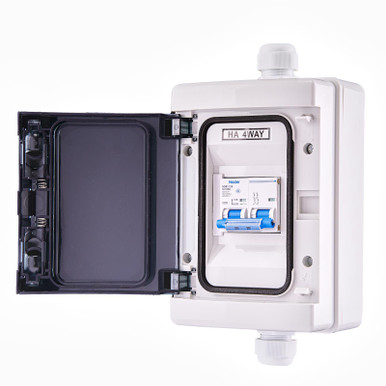
Nader DC Circuit Breaker 60V 200Amp with Enclosure
Why This Breaker Is on the Homestead A Class T fuse handles short-circuit fault protection, but…
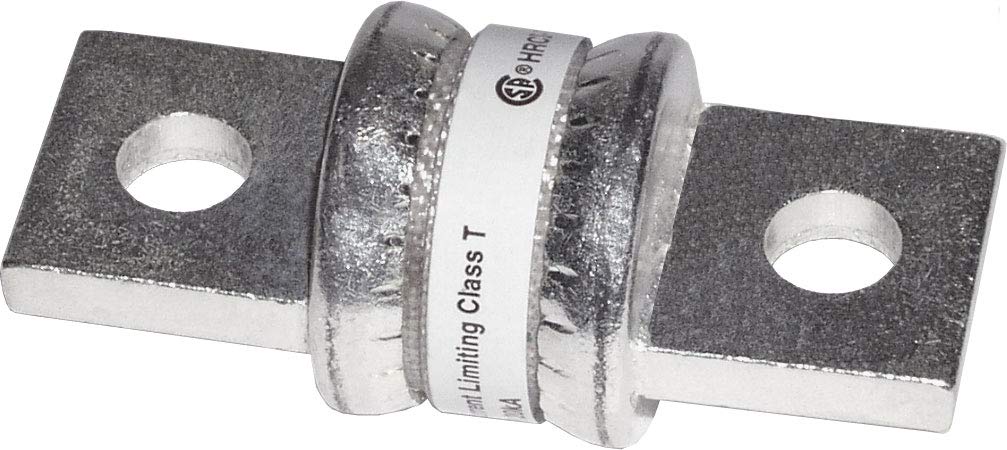
Blue Sea Systems 5118 Class T 250-Amp Fuse
Why Blue Sea 5118 Class T 250-Amp Fuse Is on the Homestead Overcurrent protection is not…
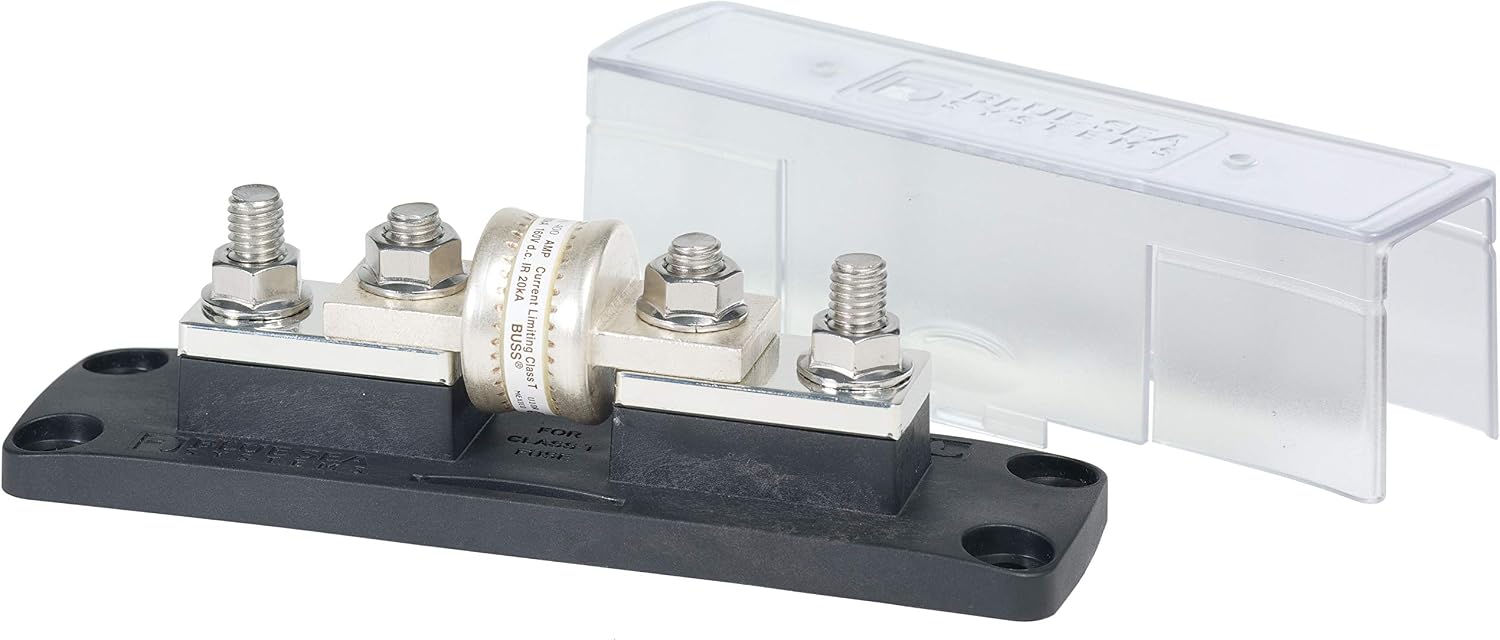
Blue Sea 5502 Fuse Block Class T 225-400 Amp
Why This Fuse Block Is on the Homestead When you’re building a high-current battery bank for…