
Why the Victron Lynx Power In Is on the Homestead
When you are building a battery bank with multiple rack batteries, you need a clean way to bring all those positive and negative cables together into a single busbar before feeding the inverter. The Victron Lynx Power In (M10) does exactly that. It is a 1000A modular DC busbar that takes the mess of individual battery cables and turns it into a single, organized connection point.
I use the Lynx Power In as the first stop after my EG4 rack batteries. All six batteries feed into it, and it consolidates them into one positive and one negative output that then goes to the Lynx Distributor. Without it, I would be trying to land six cables on a single bus bar, which is messy and hard to maintain.
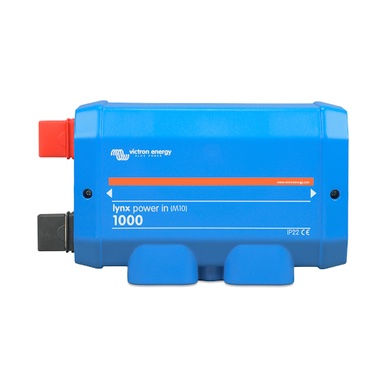
What Is the Victron Lynx System?
The Victron Lynx is a modular DC distribution system. Each module is a standardized aluminum housing with copper busbars inside. The modules snap together side by side, creating a continuous busbar run through your entire DC distribution path. You only need to land your main input cable on one end and your output on the other.
The system includes several module types:
- Lynx Power In: Brings battery positive and negative together. No fuses. Just a clean busbar consolidation point.
- Lynx Distributor: Four fused outputs for loads or charging sources. Uses MEGA fuses.
- Lynx Power In with fuse: Includes a main Class T fuse holder for battery bank protection.
How I Use It on My System
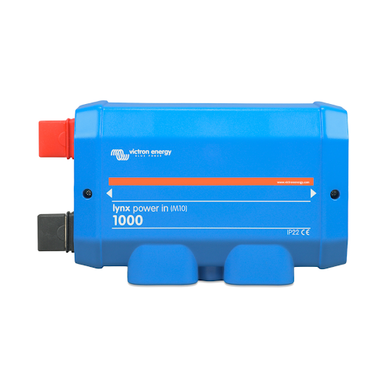
The Lynx Power In sits right after my EG4 rack batteries in the signal path:
- Six EG4 rack LFP batteries feed into a bus bar
- Bus bar connects to the Victron Lynx Power In (M10)
- Lynx Power In consolidates to the Lynx Distributor
- Lynx Distributor feeds through a Nader DC breaker
- Breaker feeds through the Blue Sea 5502 with a 250A Class T fuse
- Fuse feeds 4/0 AWG cable to the EG4 12000XP inverter
Specifications
- Current rating: 1000A continuous
- Terminal studs: M10 (3/8″-16), torque to 33Nm
- Max cable size: 4/0 AWG ring terminals
- Construction: Anodized aluminum housing, copper busbars
- Connections: Two positive inputs, two negative inputs
- Modular: Snaps to other Lynx modules for continuous busbar
- Dimensions: 12.4″L x 4.3″W x 3.5″H
- No fuses included: This is a busbar consolidation point only
Installation Tips
- Torque to 33Nm: The M10 studs on the Lynx system need 33Nm (about 24 ft-lb). Under-torqued connections cause heat and voltage drop. Use a calibrated torque wrench.
- Keep modules connected: The Lynx modules are designed to share a continuous busbar. When snapping them together, make sure the copper fingers are clean and properly aligned.
- Use 4/0 AWG for main runs: The M10 studs accept 4/0 AWG ring terminals. For the main battery-to-inverter run, 4/0 is the right size for a 12,000W inverter on 48V.
- Mount on a solid surface: The aluminum housing needs a rigid backing. Do not mount on flexible panels.
Pair It With
The Lynx Power In is designed to work with the Victron Lynx Distributor (M10), which adds four fused output positions for loads and charging sources. Together they form the core of your DC distribution. You will also need a Blue Sea 5502 Class T fuse block with a 250A Class T fuse for fault protection between the Lynx and the inverter, and 4/0 AWG cables for the main runs.
Check out the latest pricing:
Signature Solar
Discount Code:
Auto $50 Discount With Link


Share
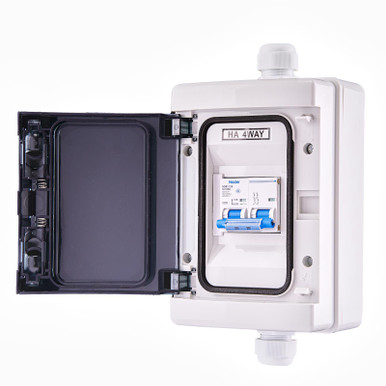
Nader DC Circuit Breaker 60V 200Amp with Enclosure
Why This Breaker Is on the Homestead A Class T fuse handles short-circuit fault protection, but…
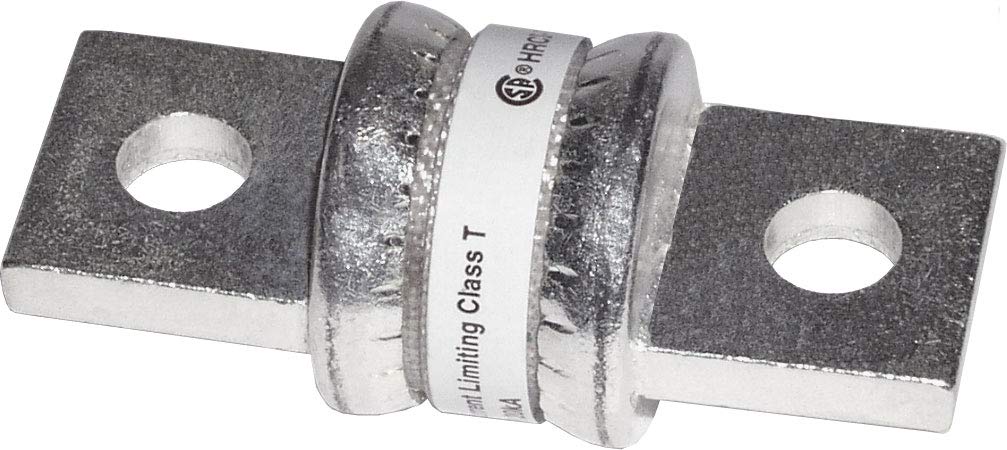
Blue Sea Systems 5118 Class T 250-Amp Fuse
Why Blue Sea 5118 Class T 250-Amp Fuse Is on the Homestead Overcurrent protection is not…
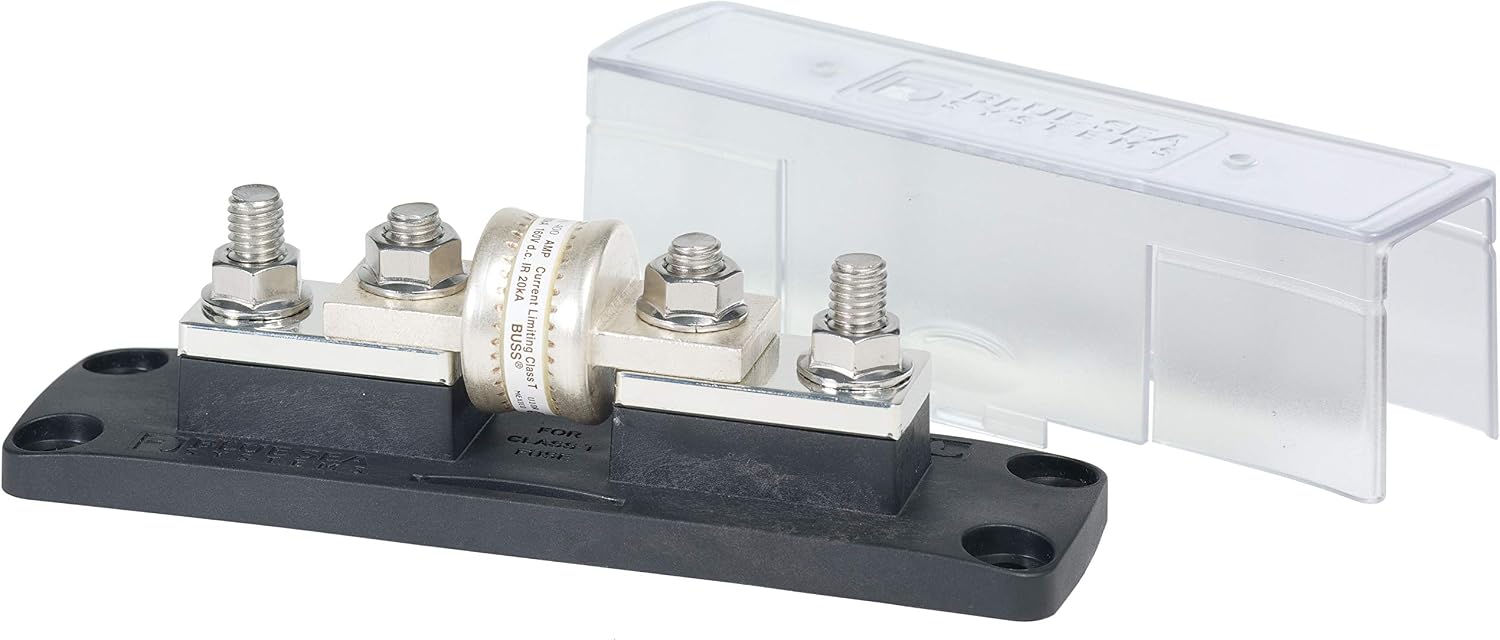
Blue Sea 5502 Fuse Block Class T 225-400 Amp
Why This Fuse Block Is on the Homestead When you’re building a high-current battery bank for…