
Solar
Is the EG4 6000XP still worth buying in 2026?
Estimated reading time: 5 minutes
If you are trying to decide whether the EG4 6000XP is still worth buying in 2026, the short answer is yes for the right kind of setup. The EG4 6000XP is still one of the strongest DIY-friendly off-grid inverter options because it gives you 120/240V split-phase power from a single unit, enough output for serious household loads, built-in solar charge controllers, and a platform that has already been used hard by a lot of real people.
Quick answer
- 6000W continuous output
- 120/240V split-phase power from one unit
- Up to 8000W of PV input
- Built-in MPPT charge controllers
- Parallel capability for much larger systems (I eventually upgraded from three 6000XPs to two 12000XPs, and you can see my full 6000XP install here)
Key Takeaways
- The EG4 6000XP is still a strong option in 2026, offering 6000W continuous output and 120/240V split-phase power.
- It features built-in MPPT charge controllers and can handle significant household loads, making it ideal for DIY solar users.
- While the EG4 12000XP is a tempting alternative for heavier loads, the 6000XP remains best for off-grid or grid-assisted setups.
- The EG4 6000XP is not a hybrid inverter, so it’s less suitable for grid export or net metering.
- For most users needing off-grid resilience, the EG4 6000XP offers considerable value and functionality.
For DIY solar users who want a powerful off-grid inverter that can still work alongside the grid for backup and charging, the EG4 6000XP remains one of the best value plays in the category.
If you want to check current EG4 6000XP pricing, see the current EG4 6000XP listing at Signature Solar. If you want our current partner links and updated shortcuts, visit Links / Discounts.
Video version
Why the EG4 6000XP still matters
A lot of inverter recommendations get stale fast. New products come out, firmware changes, and what looked good on paper starts to look less impressive once people have actually lived with it. The reason the EG4 6000XP still matters is that it solves a very real problem for DIYers: you can get meaningful off-grid power, including 240V capability, without having to jump straight into a much more complicated or much more expensive system.
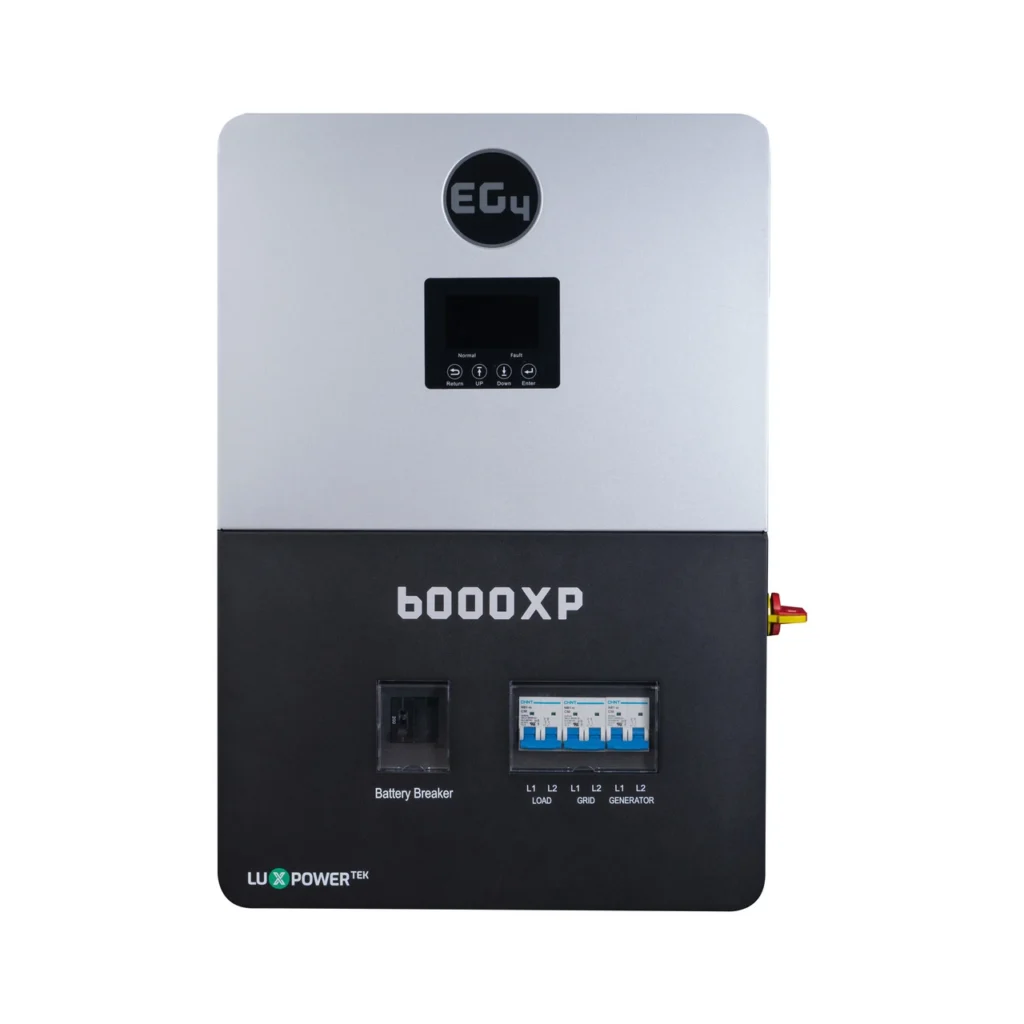
The specs that actually matter
- 6000W continuous output
- 12000W surge output
- 120/240V split-phase output
- Two built-in MPPT charge controllers
- Parallel support for much larger systems
1. You get 240V from one unit
This is one of the biggest reasons the EG4 6000XP stands out. A lot of inverters in this general price zone are effectively 120V solutions unless you stack multiple units. The EG4 6000XP gives you 120/240V split-phase from a single inverter, which opens the door to running real household equipment without immediately doubling your inverter count.
2. It can handle real household loads
In the source video, Eric talks about using the system around real household demands, including larger appliances and a big well pump. That matters more than marketing language. A 6000W inverter with 12000W surge is not a toy. It is a legitimate foundation for a real off-grid or backup power system when the rest of the design is done correctly.
3. It keeps the system simpler
Because the EG4 6000XP includes built-in MPPT charge controllers, the system can stay cleaner and more consolidated. That matters for DIYers because every extra box, connection, and compatibility decision adds friction.
EG4 12000XP vs EG4 6000XP in 2026
One of the biggest market changes in 2026 is how close the EG4 12000XP price is to the EG4 6000XP. Signature Solar has had the 12000XP priced only a few hundred dollars above the 6000XP, which makes it a much more tempting jump than it used to be. If you want the full breakdown from the other side of that comparison, read our EG4 12000XP Review 2026.
That does not automatically make the 12000XP the right answer for everyone. If you do not need the extra inverter power, do not expect to use that much PV input, and want to keep wall space, cost, and standby draw lower, the EG4 6000XP still makes a lot of sense. On the other hand, if you can swing the extra few hundred dollars and you expect heavier loads, more solar, or future expansion, the 12000XP is a very reasonable upgrade.
When a FlexBOSS18 style setup makes more sense
If your use case starts looking more like a dedicated high-demand load scenario, that is where a FlexBOSS18 conversation starts to make more sense. A good example is the well-house setup Eric covered on Home Energy Independence when installing the EG4 FlexBOSS18 for a 5HP pump: watch that FlexBOSS18 well-house video here.
That kind of setup helps show where the EG4 6000XP fits well and where a larger or different class of inverter starts becoming the smarter long-term choice.
Who should probably buy a different inverter?
- Your top priority is grid export or net metering
- You specifically want a hybrid inverter architecture
- Your use case is better matched to something like a FlexBOSS or 18kPV class product
The EG4 6000XP is strongest when the goal is off-grid or grid-assisted resilience, not utility sell-back.
Related EG4 articles
See whether the EG4 12000XP is worth the upgrade over the 6000XP
See our EG4 6000XP build walkthrough
Learn how to fix EG4 LifePower4 SOC drift
Read the FlexBOSS21 and GridBOSS build article
FAQ
Is the EG4 6000XP a hybrid inverter?
No. It is an off-grid inverter. It can still be used in systems that interact with the grid for charging or support, but it is not the right tool for selling back to the utility.
Can one EG4 6000XP provide 240V power?
Yes. One of its biggest advantages is that a single unit can provide 120/240V split-phase output.
How much solar can the EG4 6000XP take?
Signature Solar currently lists the EG4 6000XP at 8000W of recommended PV input with a 480VDC max PV input voltage.
Is the EG4 6000XP still worth buying in 2026?
Yes, if your use case is off-grid or grid-assisted backup and you want a DIY-friendly inverter with meaningful power, battery compatibility, and room to expand. For a head-to-head comparison, see our EG4 12000XP Review
Share
Recent Posts
October 1, 2026
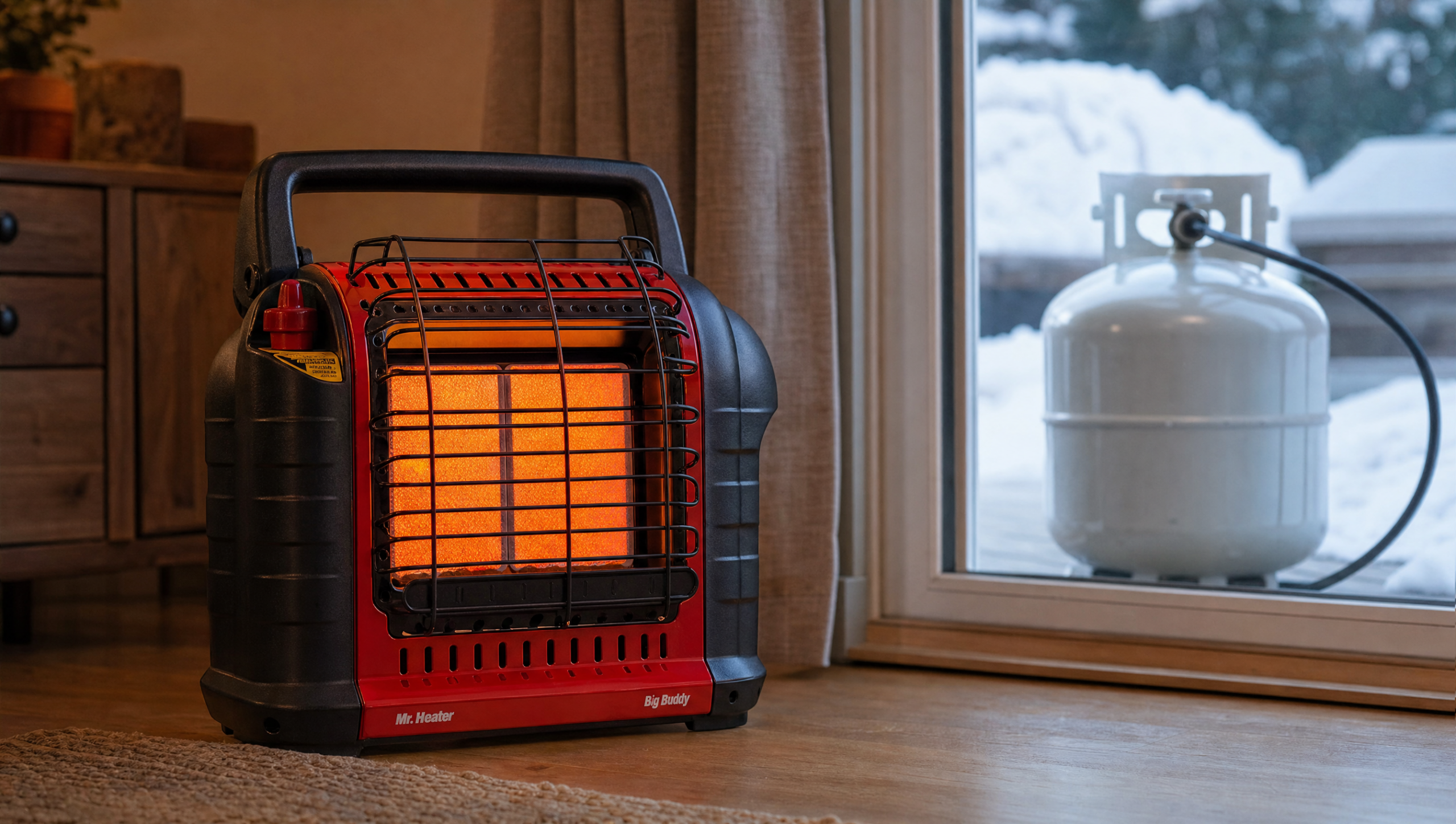
STOP Doing This With Your Mr. Heater (Serious Safety Risk)
The dangerous Mr. Heater mistake I keep seeing: propane tanks brought indoors. Why it is a serious safety risk and the correct way...
October 1, 2026
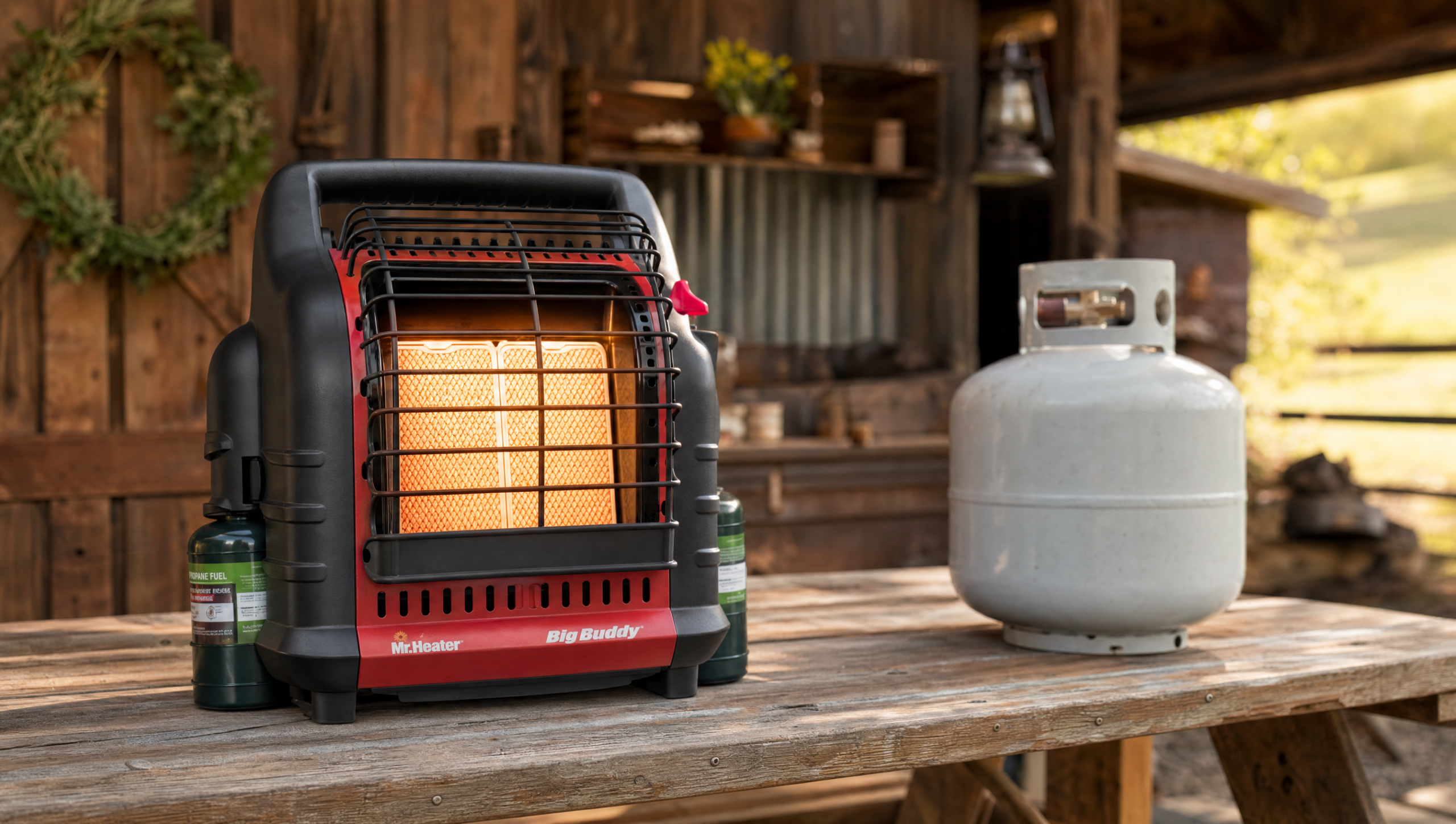
How Long Does Propane Last in a Mr. Heater Big Buddy? (Run Times Chart)
How long will a Mr. Heater Big Buddy run on a 20 lb propane tank? Complete run time chart for low, medium, and...
August 3, 2026
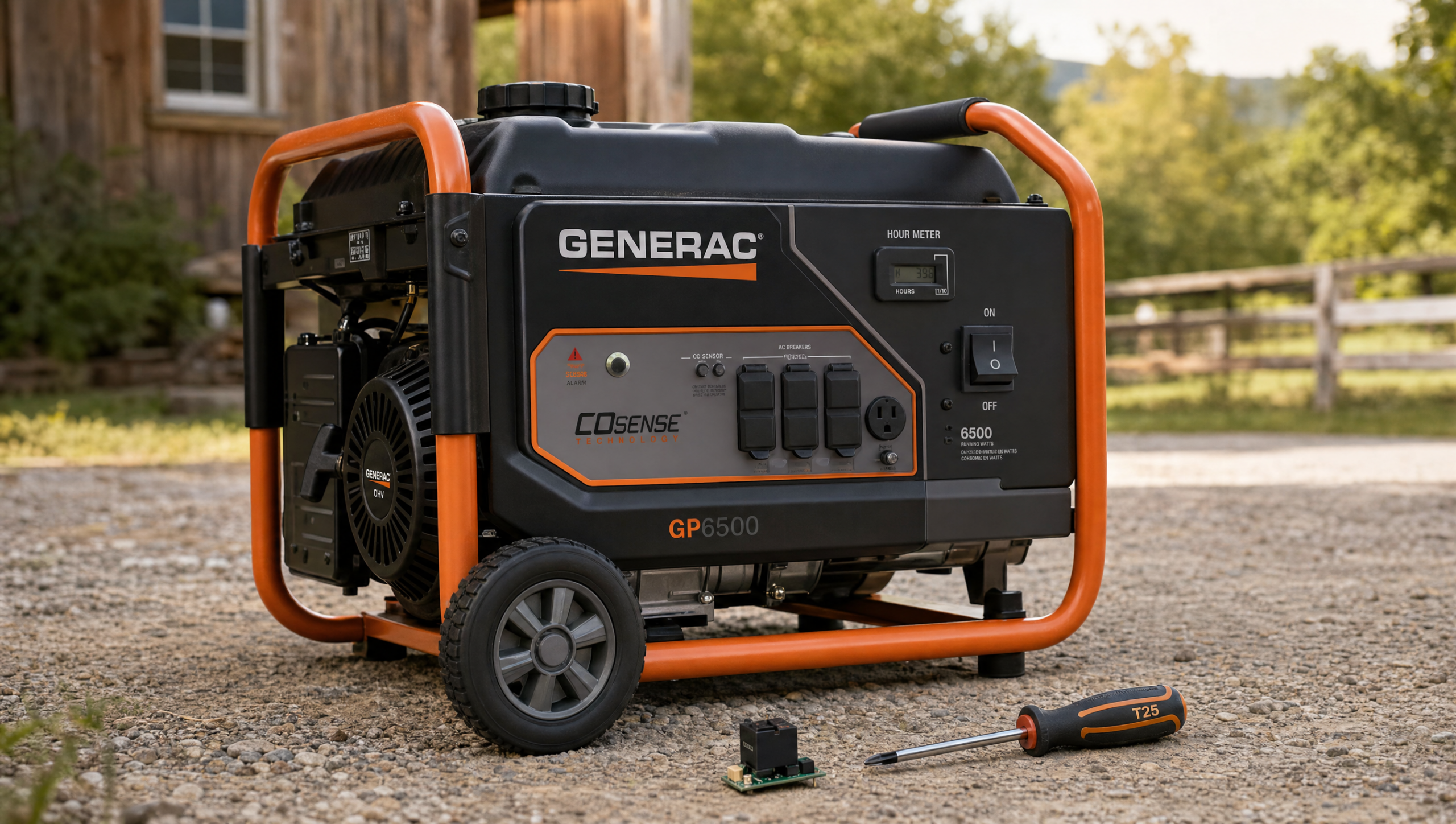
Generac Generator Starts But Won’t Stay Running? COSense Fix (GB6500)
Generac generator starts but won’t stay running? The COSense board is likely failed. Here is a step-by-step fix for the Generac GB6500 and...